© Mapbox © OpenStreetMap Back

DowiGo

A GPS audio walk through Willemstad, from the first workshop to the field test.

Role
Product designer, UX lead
Scope
Workshops, design system, MVP, full build, field-test design
Year
2026
Team
Ngrane team and the client

Tourists in Willemstad fear wasting their few hours on a poor tour. We built one walk they can trust, and the way to prove it works.

The problem

A wide tourism idea, no proof anyone wanted it, and little time on the island.

What I did

Led the MVP, the design system and the full build in code. Shaped the test plan.

The result

A working GPS audio walk, load-tested and secured, ready for the field test. Live at dowigo.com and app.dowigo.com.

8stops, one curated walk
25walkers at once in the load test
9issues found and fixed before the test
LedMVPDesign systemFull buildContributedWorkshopsScopeField-test prep
01Process

Where I led, where I helped

Thick line: I led it. Thin line: I contributed to work someone else led.

  1. Feb 2026

    Three workshop days

    Contributed

    Navigation benchmark, test plan, success measures.

  2. Feb 2026

    Scope and user stories

    Contributed

    Walker journey, core flow, thirty stories.

  3. Mar 2026

    MVP in Figma Make

    Led

    The clickable walk, and every follow-up.

  4. May 2026

    Design system

    Led

    The system the app is designed with.

  5. May 2026 on

    Full build in code

    Led

    Walker app, admin, analytics, in Claude Code.

  6. Sep 2026

    Field-test prep

    Contributed

    What to measure, consent, the sprint write-up.

02Discovery

Three days before any design

The rule on the day two slide: we do not design yet. We decide what deserves to be built first.

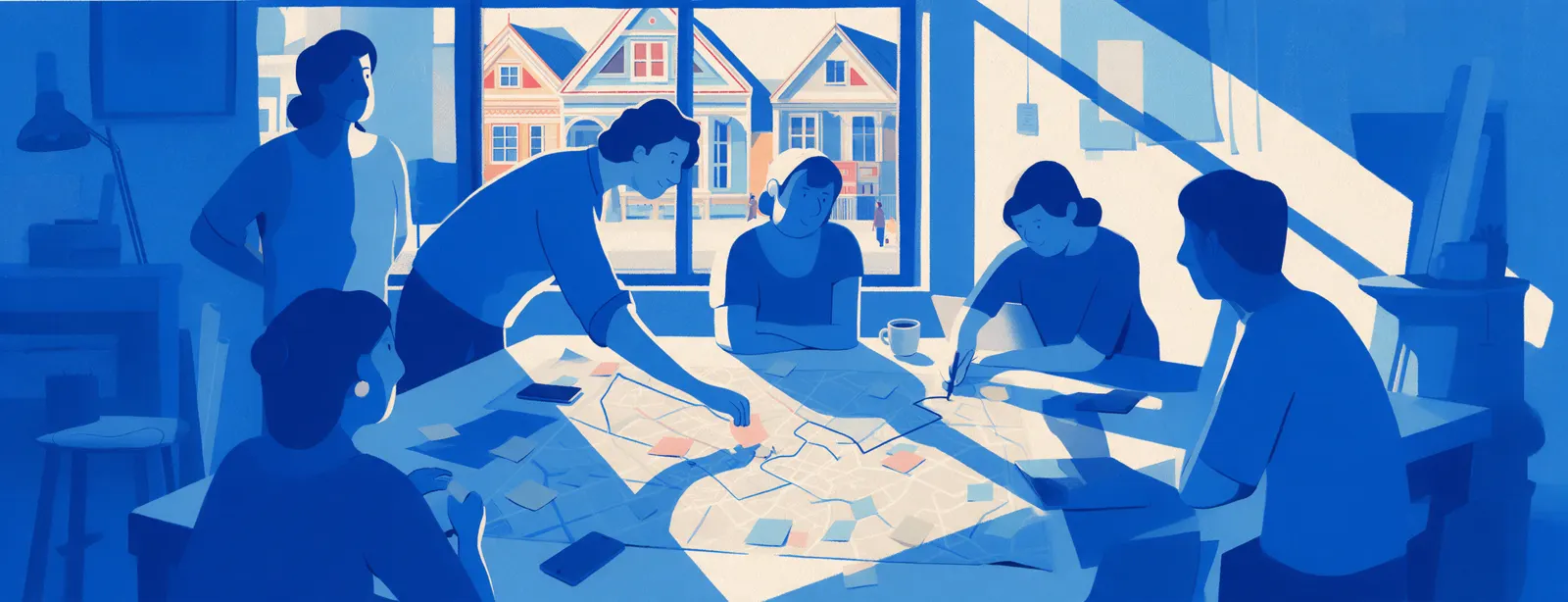
Illustration: the team around a table with a printed street map, sticky notes and phones.
Day two: deciding what deserves to be built first (illustration)
  1. 1

    Preparation

    Reach the start with confidence.

    Open the app, read the story disclaimer
  2. 2

    Initiation

    Start without any friction.

    Tap Start tour, see the way to stop one
  3. 3

    Exploration

    Connect with the place and its history.

    Arrive, and the story plays
  4. 4

    Transition

    Never feel lost between stories.

    Follow directions to the next stop
  5. 5

    Reflection

    Close the walk and say how it was.

    End the tour, rate it
  1. Landing
  2. Tour overview
  3. Navigation
  4. Story plays
  5. Next stop
  6. Repeat
  7. Completion
  8. Feedback
  9. Close
11

Seamless navigation

As a tourist mid tour, I want to see which stops I have done, so that I see my progress.

As a tourist, I want the path to the next stop once a story ends, so that I never feel lost.

7

Immersive storytelling

As a tourist with little time, I want a trailer of the tour, so that I can decide if it is worth it.

As a tourist with limited hearing, I want captions, so that I can follow the story.

5

Testing and feedback

As an admin, I want a test tour in Amsterdam, so that we can test without being in Curaçao.

As a walker who hits a bug, I want a clear way to recover, so that I can carry on.

8

After the walk

As a tourist, I want to know I completed something meaningful, so that I feel fulfilled.

As a tourist, I do not want money decisions during the walk, so that I am not distracted.

From the day three slides, 17 February 2026: the journey, the core flow and two of the stories in each group.
03Decisions

What we chose to build

Three calls from the workshops. Scroll to see the first one happen.

Decision 1 of 3

One curated walk, not a tourism app.

Navigation and stories are worth nothing apart, so the MVP is those two and nothing else.

1curated walk

What it cost: no video, no AR, no tours made by users, and English only at first.
25 to 50testers in the first field test
75%of them positive is the bar for success
Decision 2 of 3

No MVP without a test plan.

Success was defined before the first screen, so analytics and a feedback screen are part of the MVP.

What it cost: sharing, likes and tipping waited.

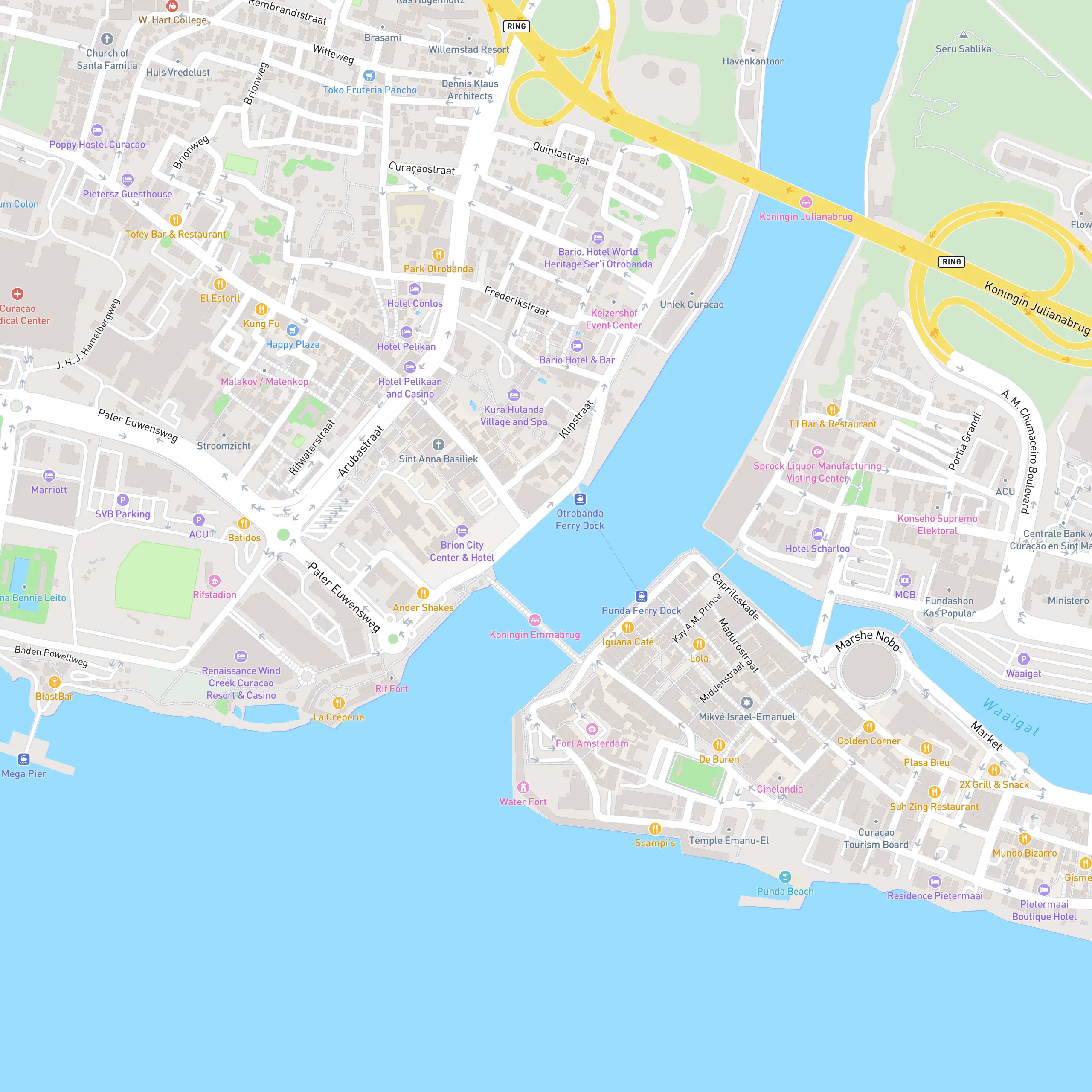
The walk as built: stops, distance, story
Decision 3 of 3

Borrow the navigation walkers already know.

The pattern from hiking and map apps, and only what a story walk needs. No fixed start: you are routed to the nearest stop.

What it cost: no spoken turn-by-turn. Walkers read the route.

04The product

From clickable MVP to a real app

The Figma Make MVP proved the walk in March. From May I rebuilt it as a full product in code: walker app, sign-in for paid tours, admin and analytics.

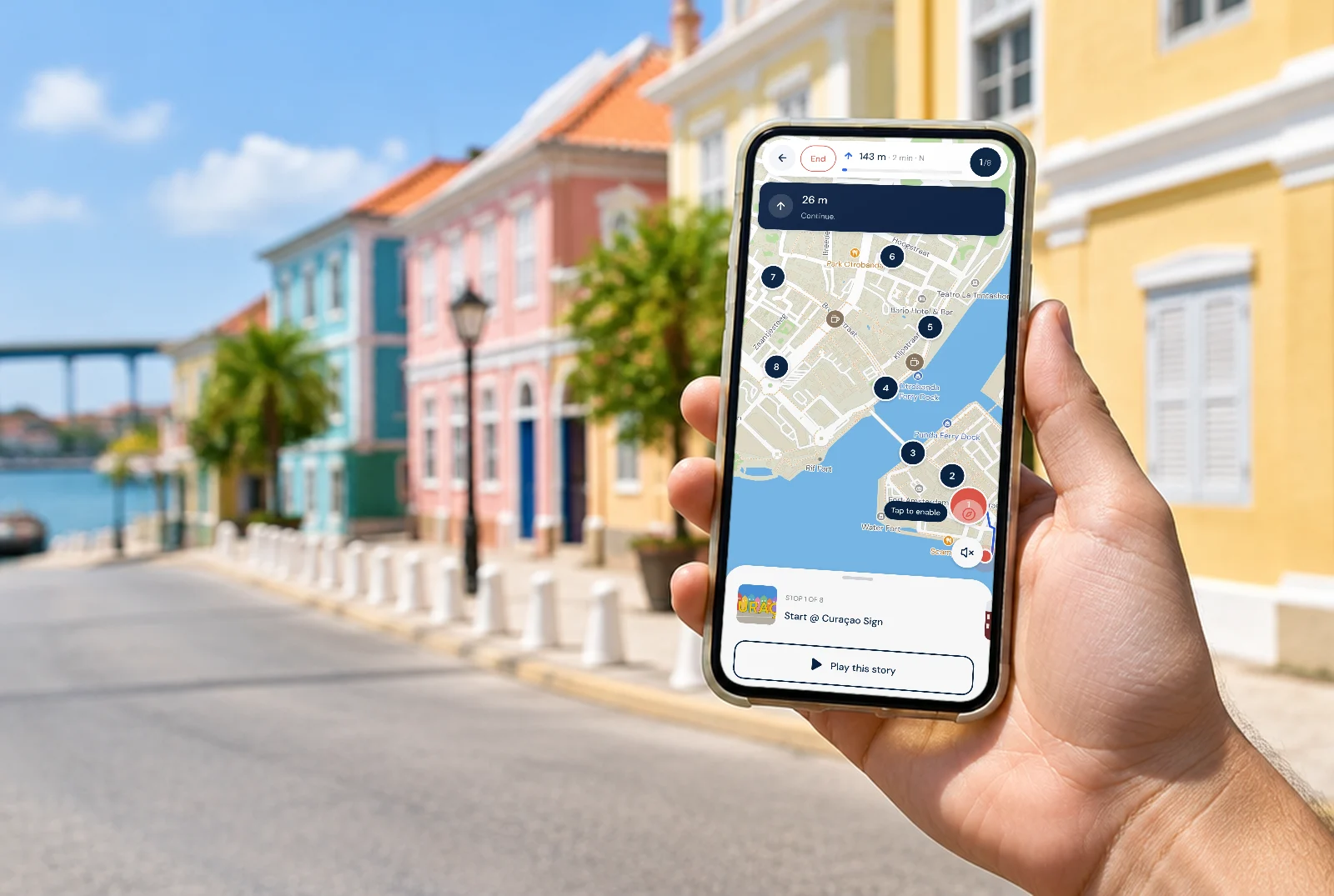
The walk app on a phone, held up in a street in Otrobanda.
From a screen in Figma to an app in the hand. The screen is the real build; the photo is an illustration.
05Field test

Ready for real walkers

Two questions for the island: can people walk on their own, and does the app hold up when many use it at once?

Finish screen for someone who left early: 1 of 8 stories.
Finish screen for a completed walk: 8 of 8 stories.
Fix 1

Completed means the last stop, not a tap on Finish.

14 of 23 "completed" walks had not visited a single stop. Now the count, and the walker's own screen, follow what really happened.

Before: a dashed test button, I am here.
After: a solid button, Play this story.
Fix 2

The debug button became the GPS fallback.

One day of work instead of four. Each use is logged, so we still see how often GPS misses in narrow streets.

06Outcome

Built, tested, waiting for the island

The field test was planned for late September 2026 and has moved. Its results will land here.

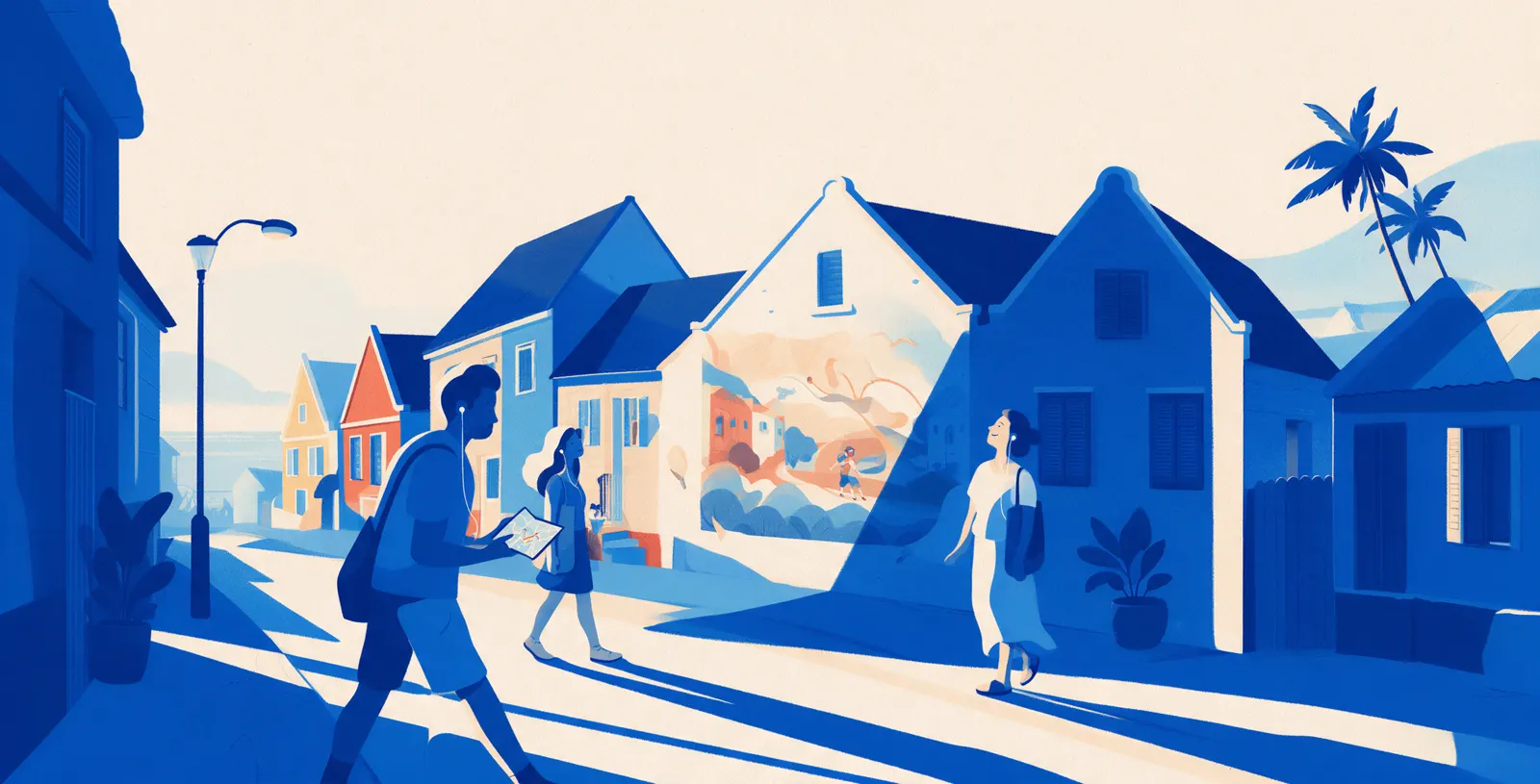
Illustration: walkers with earphones in a colourful street in Otrobanda.
Next: the field test in Otrobanda (illustration)
Still open

What real walkers do. And whether audio-walk people are the guided-tour people.

What I would do differently

Define what counts as a finished walk before building the thing that counts it.

Next case studyAI film pipelineHow a studio makes AI films that look authored, on any model.