AI film pipeline
How a studio makes AI films that look authored, live action or animated, on any model.
- Role
- Lead, process and service design
- Scope
- Process research, production gates, style contract, prompt system
- Year
- 2025 to 2026
- Team
- Internal Ngrane team, with David van Delden
When HCSV came back for 13 more films, making each one from scratch would have made every project too expensive. I led the work to turn how the studio made films into one process that works on any model.
Every film started from scratch. Prompts lived in people's heads, looks drifted, faces changed and credits went into untraceable retakes.
Mapped how films really got made, then designed the stages, the sign-offs and the paperwork that carries the look.
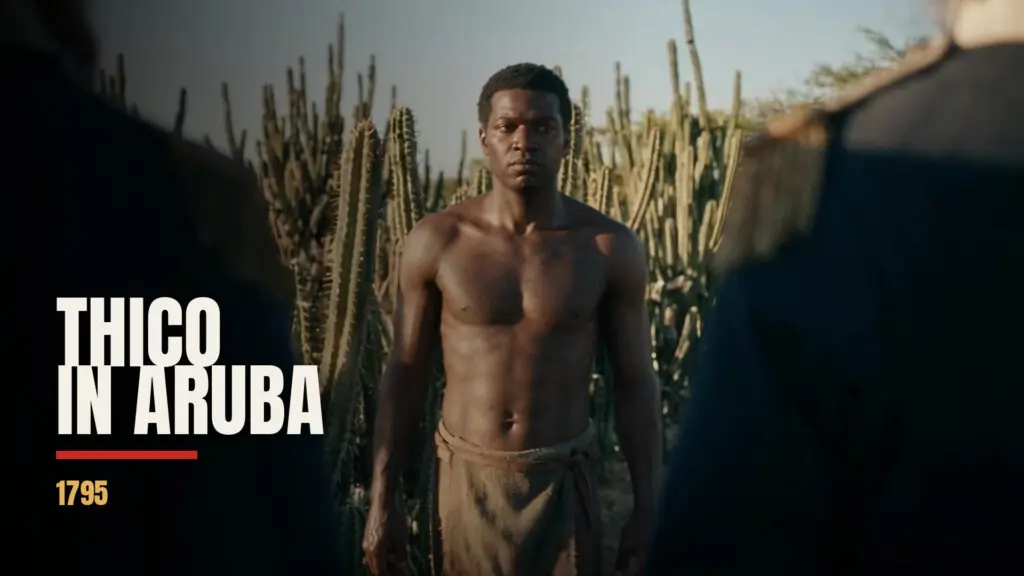
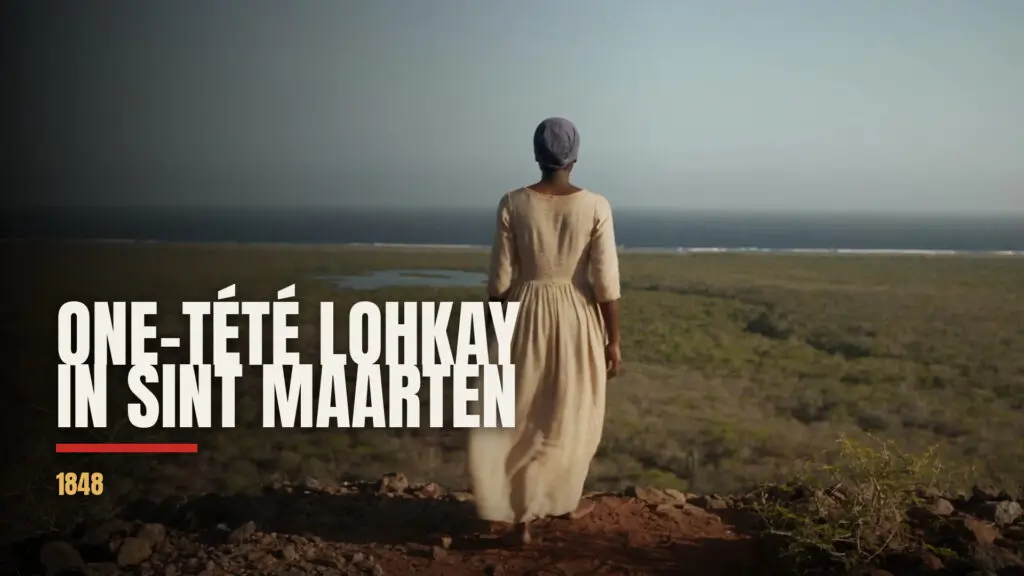
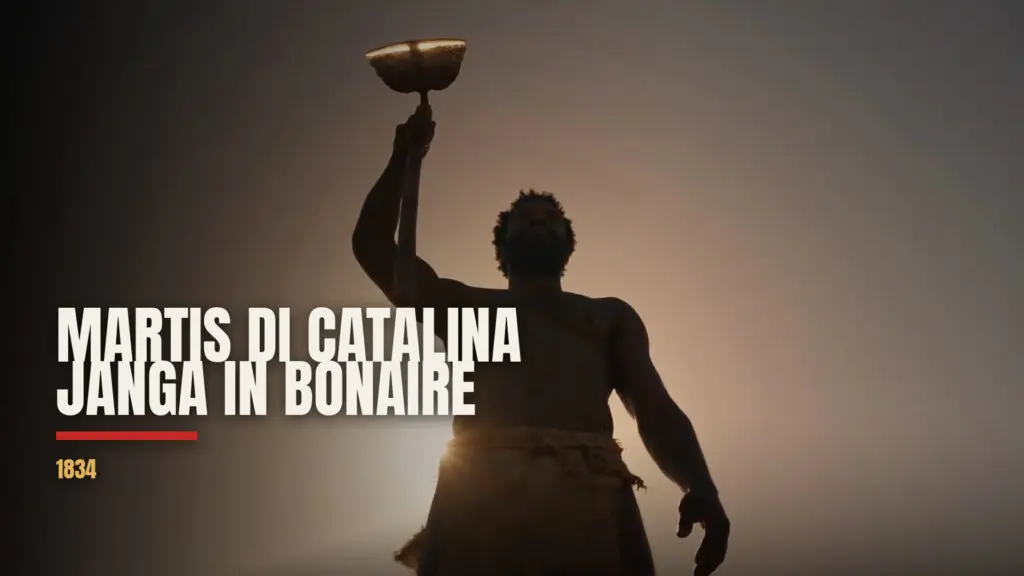
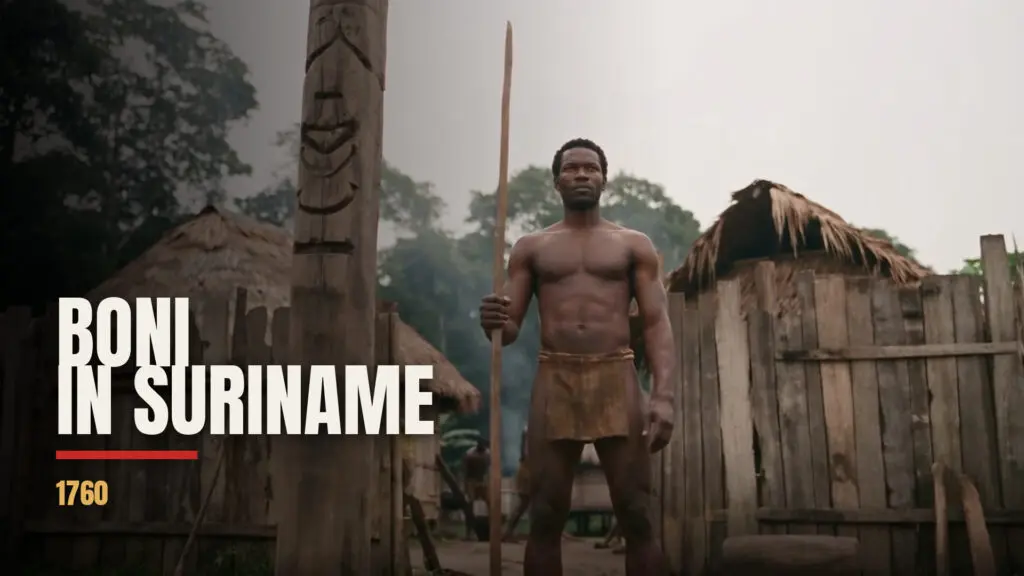
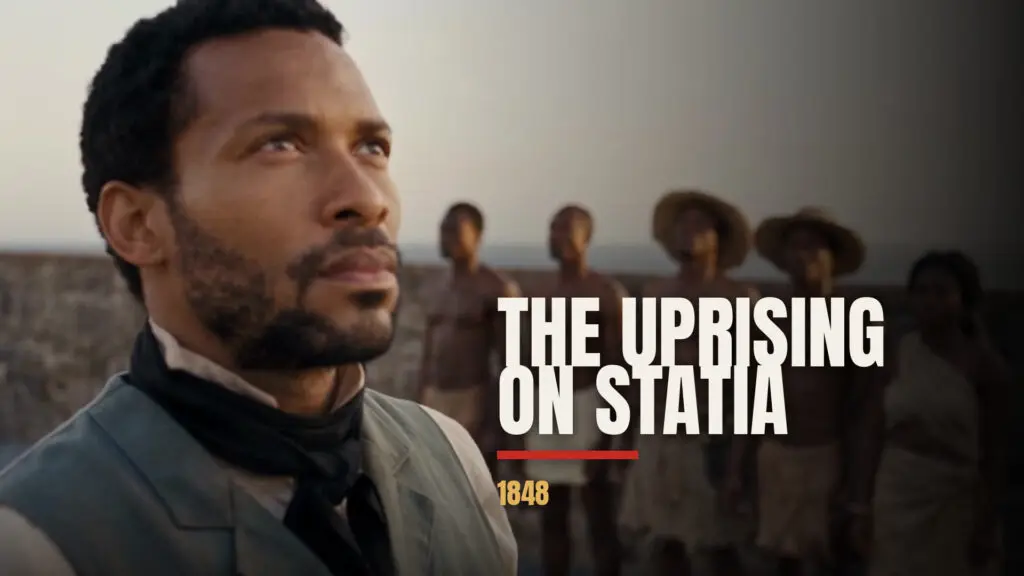
One process for live action and animation, used on 18 films so far: 13 for HCSV, 3 for Turks and Caicos, one for Ennia and one animated short. A short made this way was shortlisted at a festival.
Eight stages, one place for the model
Every stage ends with a sign-off before money is spent on the next. The video model sits in one stage, so it can change every month.
Research
Place, period and people checked first. Historians sign off on history.
Sources checkedStory
Narration timed and cut into beats that fit a clip.
Beats approvedReference kit
One sheet per character, prop and place.
Anchor approvedStyle contract
Palette, camera, lens and grain, written once.
Look lockedPrompts
Labelled packets of two or three shots each.
Plan approvedPreviz
Stills or a Blender greybox fix camera and timing.
Previz signed offVideo
One test take per go-ahead. Any model.
Take approvedEdit
Voice, sound, upscale, a disclosure card.
Client sign-off
Where the models sit
Images
Reference sheets, style plates and previz stills.
Video
One test take per go-ahead. Swapped as better models arrived.
Finish
Upscale of the final cut, never of every take.
Built from parts
Scroll through one shot of the animated short Maintenance, from its approved references to the moving take.
Layers cut from the finished shot to show how the parts relate.
What travels with every shot
The source
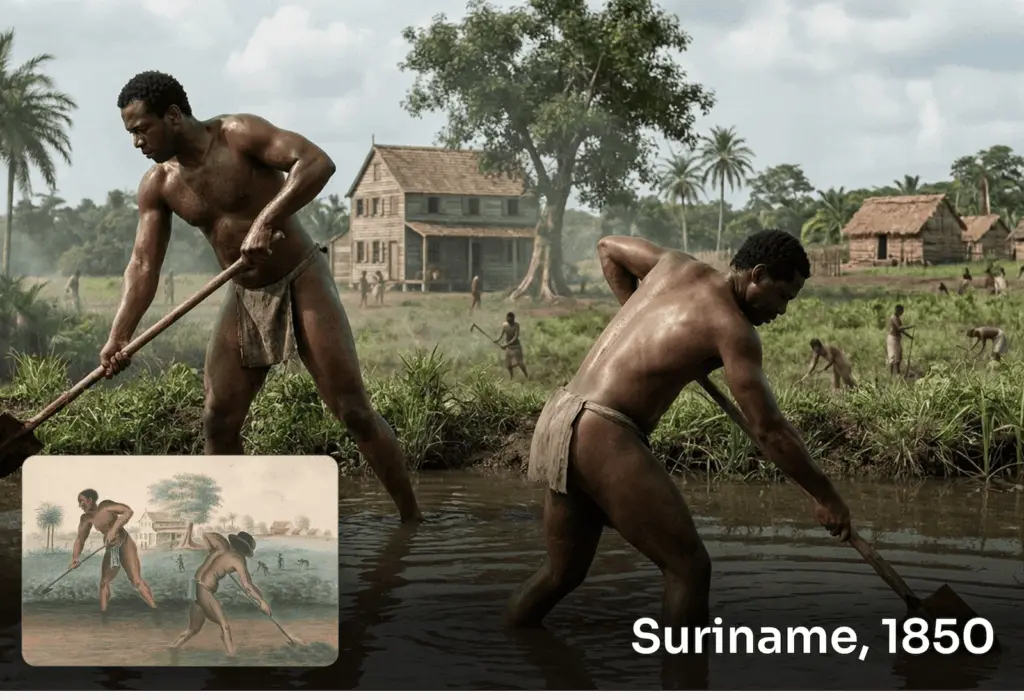
Every look starts from a real source: here a painting of Suriname, 1850.
The references
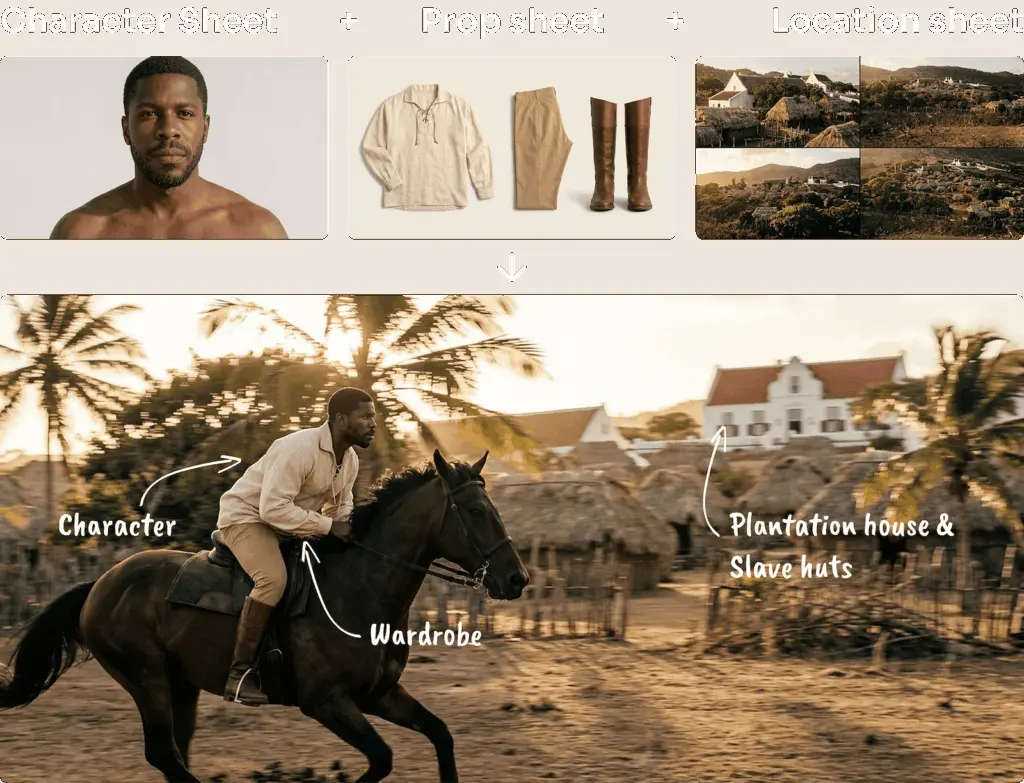
Character, prop and place each get their own sheet.
The contract
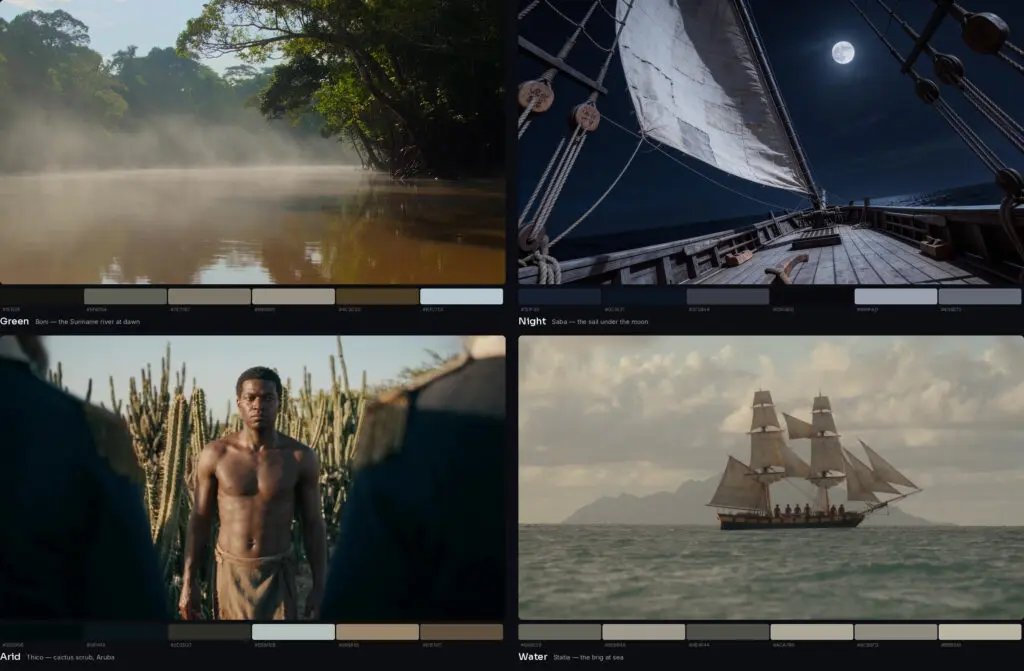
One palette per mood, written into every prompt.
The label
Every take can be traced back to its film, block, beats and try.
The take
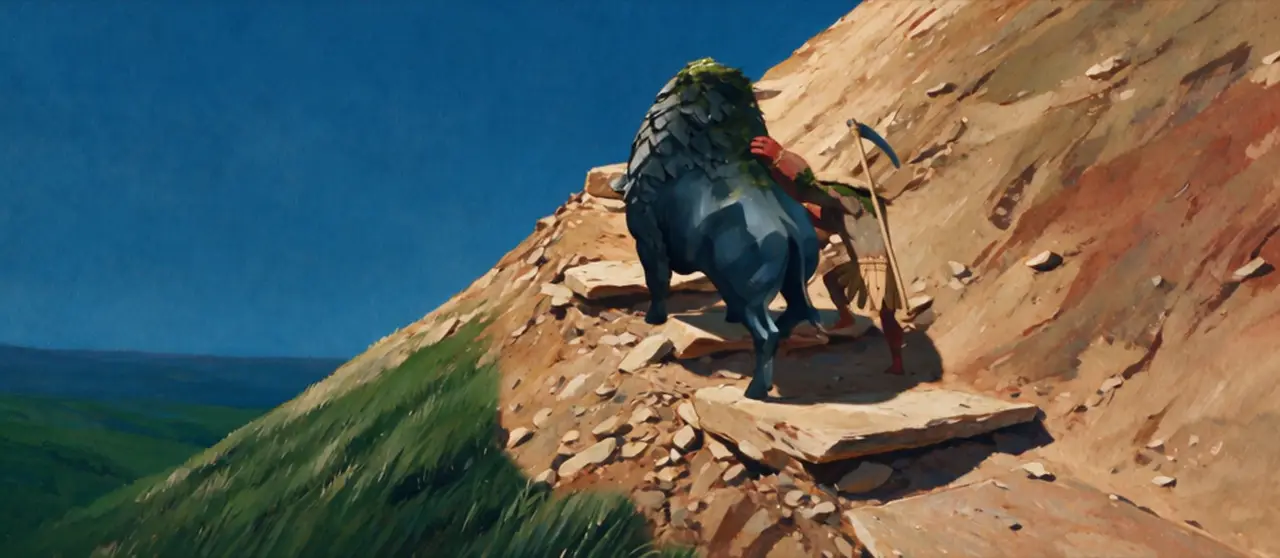
One test take per go-ahead. This one passed its gate.
Three calls that made it work
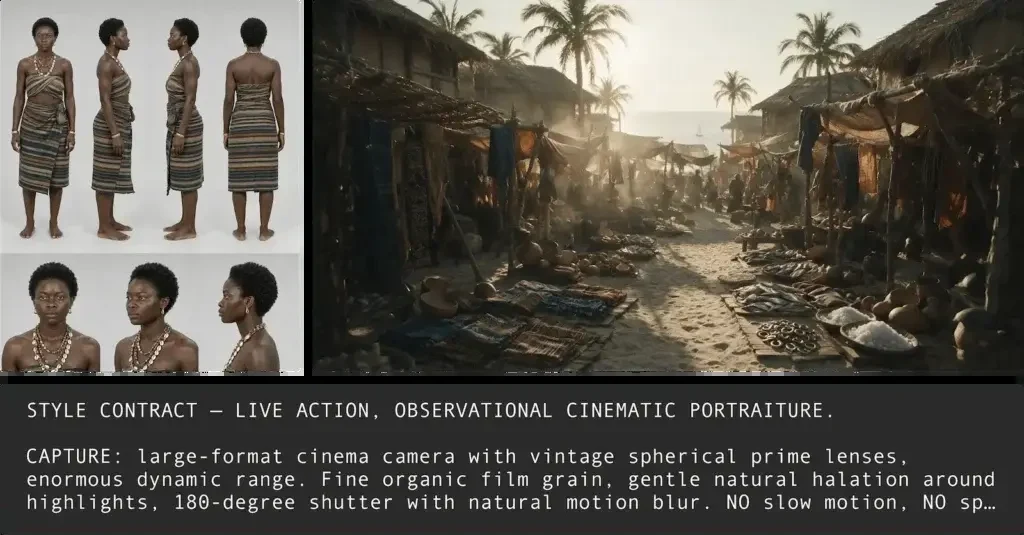
The look lives in the paperwork, not in the model.
A style contract and a reference kit travel from model to model. When a better model arrives, the film keeps its look.
What it cost: about a day of preparation before the first frame.
No video until the plan is signed off.
Generating many takes and picking one burns credits. Approve the plan, then make one test take per go-ahead.
What it cost: the first clip arrives later.
 Live action look
One process for live action and animation.
Same stages, same gates, even the same face: the woman from the live action look returns, painted, in the animated film on the transatlantic slave trade. Animation adds a Blender greybox that fixes camera and timing first.
What it cost: animated films need a previz pass.
Five rules every prompt follows
A label on every prompt
Film, block, beats and try, so every take traces back to its plan.
Two to three shots per generation
Short packets keep the model on brief.
Research first, checked by historians
History is signed off before it is styled.
Generate at 720p, upscale the final cut
Credits go to choices, not pixels.
A disclosure card on every film
Audiences know AI was used to make it.
The process became the studio's app
A process clear enough to run by hand is clear enough to become software.
I led it: the stages, the gates, the style contract and the prompt system, run through Claude from research to the last prompt. David van Delden and I both made the films with it.
David van Delden built Cineflow, the studio's app, on this process. Its character sheets and storyboards follow the same stages.
Models and tools keep changing, and so does the process. The gates and the paperwork are what stayed.
Made with the pipeline
Thirteen historical films for the HCSV slavery commemoration, three for Turks and Caicos, one for Ennia and an animated short. Live action look and animation, one way of working.
 Animated short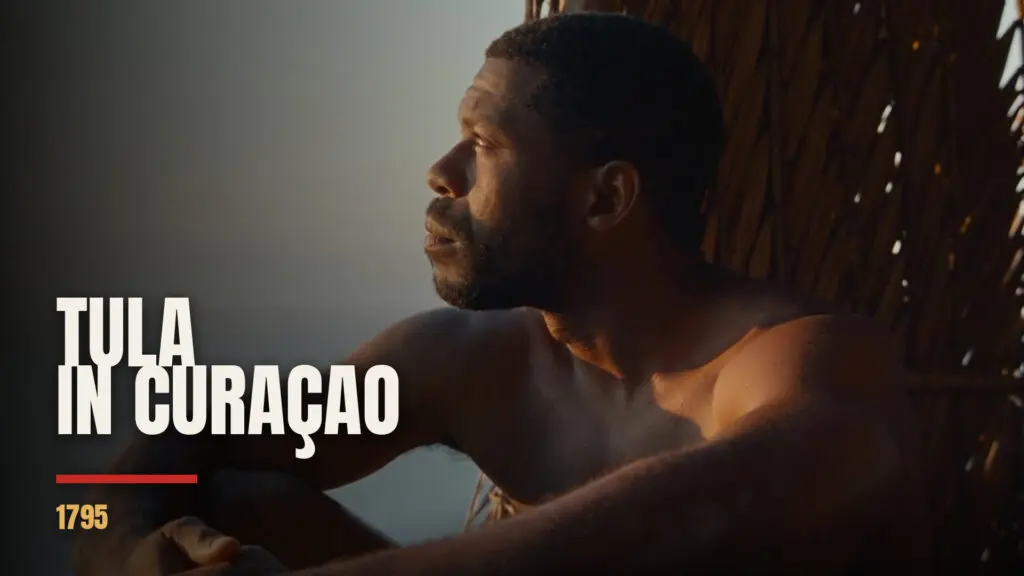
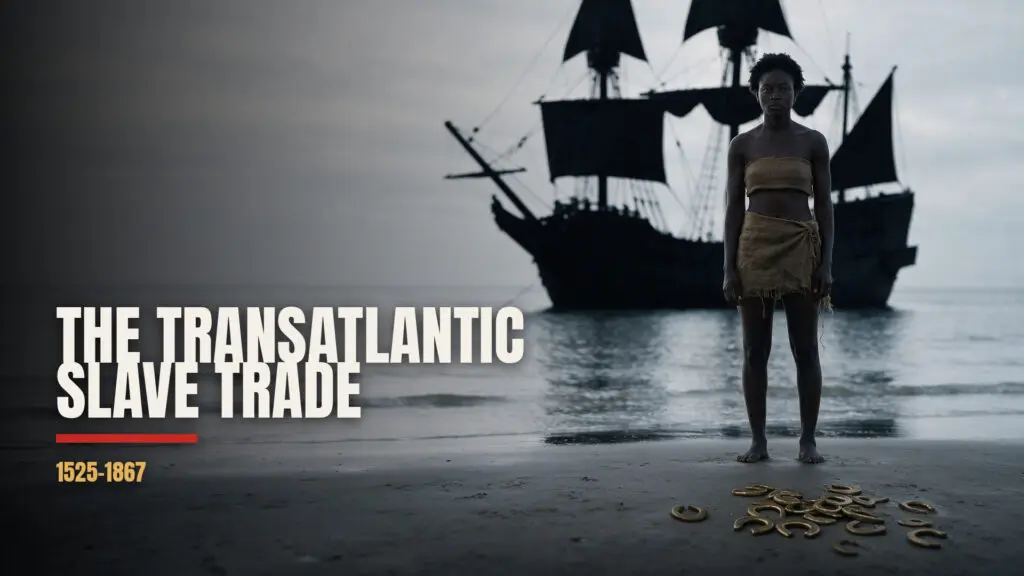
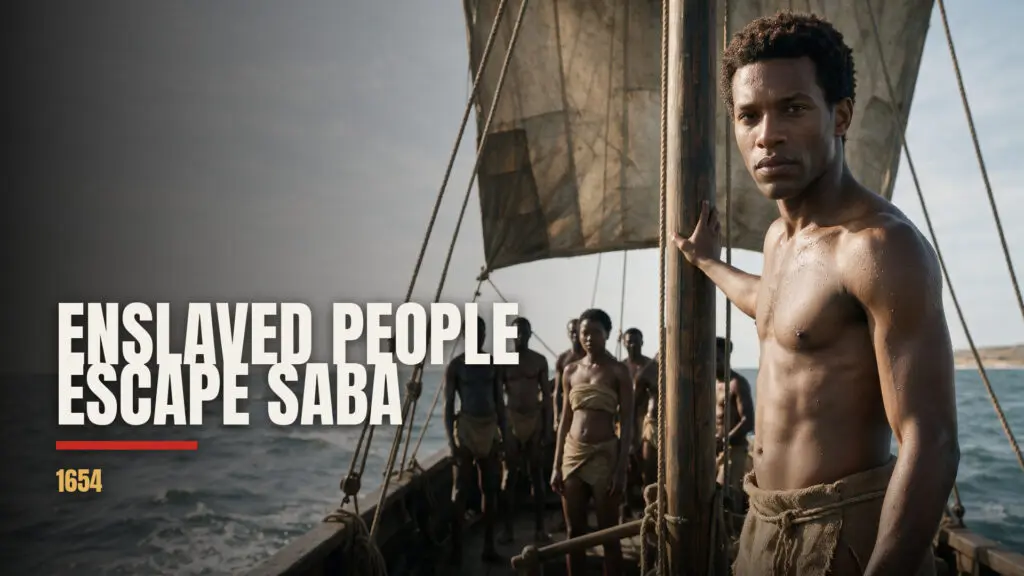
One process, any model
Count the retakes from the first film. Every take was labelled, but never logged, so the savings have no number.
It is service design: mapping a messy process, finding where time and money leak, and designing the steps people follow.
Live action look or animated, made with the same care.
Research, story, look and delivery, run through the pipeline above. For brands, museums, launches and events.
 Next case studyKura HulandaA website that lets a museum of hard history speak in its own voice.