Talent platform
A platform where senior-led duos take on real client work, shaped in a seven-day MVP sprint.
- Role
- UX and AI designer
- Scope
- Co-creation sessions, user journey, design system, MVP screens
- Year
- 2024 to 2026
- Team
- Product owner, CEO, CTO, a developer and a facilitator, with Ngrane
Companies need senior creative work without a full team or a pile of freelancers. Mid-career professionals want to keep growing. One platform for both: senior-led duos on real client work.
A big idea, two audiences, and seven days to turn it into something buildable.
UX and AI design: co-creation sessions, the journeys, the design system and the MVP screens.
A build-ready MVP: a client portal and a talent portal from one system.
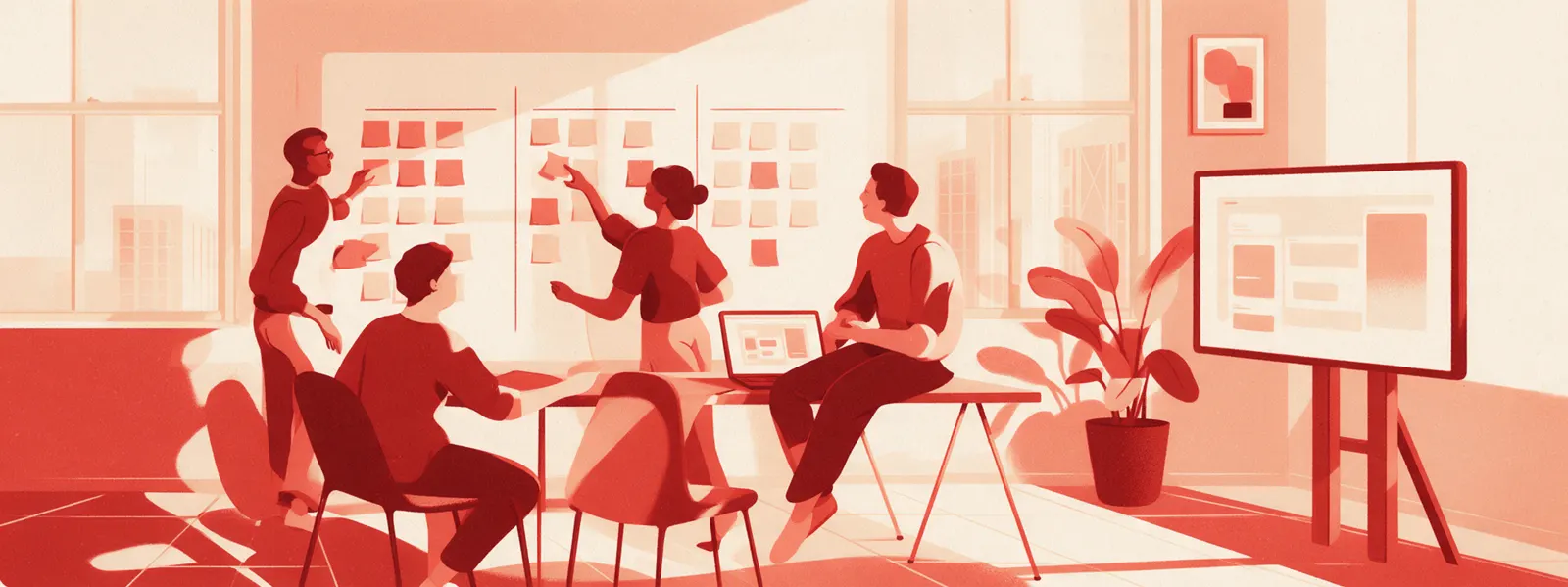
Seven days, three sessions, one build
Each session ended with something the next one could stand on. Nothing was designed before day three.
Identity and direction
What the product is, who it serves and what it refuses to do.
Three non-negotiables: curation at the door, mentorship in every project, growth for the person.
MVP focus and scope
From brand promise to product behaviour, and what version one must prove.
The MVP acts as an interpreter: it turns a client problem into a real project for a senior-led team.
Structure
Problem statement, two audiences, the core journey and the user stories, sorted into must-haves.
A build-ready structure for the client portal and the talent portal.
Build
The screens on this page, made from one design system, handed to development as they were done.
A working MVP to test with the first clients and professionals.
Three decisions that shaped it

The client writes in plain words. The brief is drafted with them.
Plain words in, a structured brief out: goal, deliverables, timeline, budget and the team it needs. The client checks every line.
What it cost: a draft can be wrong, so it is marked as a draft until the client says yes.

Match duos, not individuals, and explain the chemistry.
Every proposal is a senior and a junior together. The chemistry score always comes with three reasons in plain language.
What it cost: fewer proposals per screen, and harder matching.


Curation at the door: talent joins through strengths, not a CV.
A short strengths test pairs juniors with the right mentor. Projects then say why they fit and who you would learn from.
What it cost: a slower sign-up. Some leave, and that is part of the curation.
One system behind every screen
The screens on this page are built from the product's own design system: its typeface, its grey scale, one pink that means act here, and its components.
Senior-led work
Recommended duos
Maya led two drink brand launches.
Submitted on 2 March
- Applications
- Quote
- In progress
- Done
Live, not a picture: hover the buttons, toggle the chips, click a colour to copy it, accept the duo.
Names, prices and projects in these screens are illustrative. The product's name stays out until it launches.
From a shared idea to a build-ready MVP
What I would do differently
Bring a real client brief into day one. The brief generator was easier to design once we had a messy, real one to test it on.
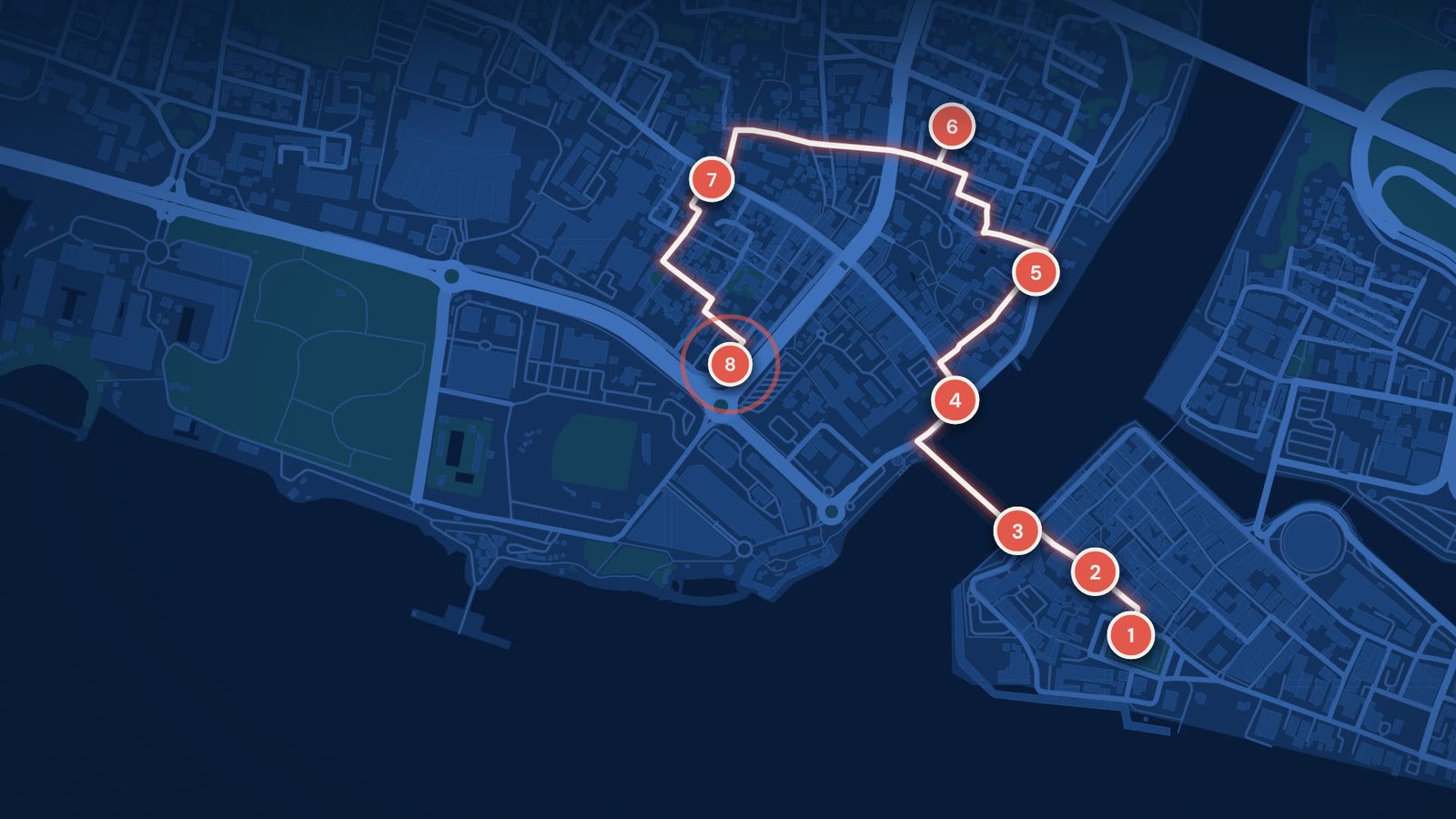 Next case studyDowiGoA GPS audio walk through Willemstad, from the first workshop to the field test.